
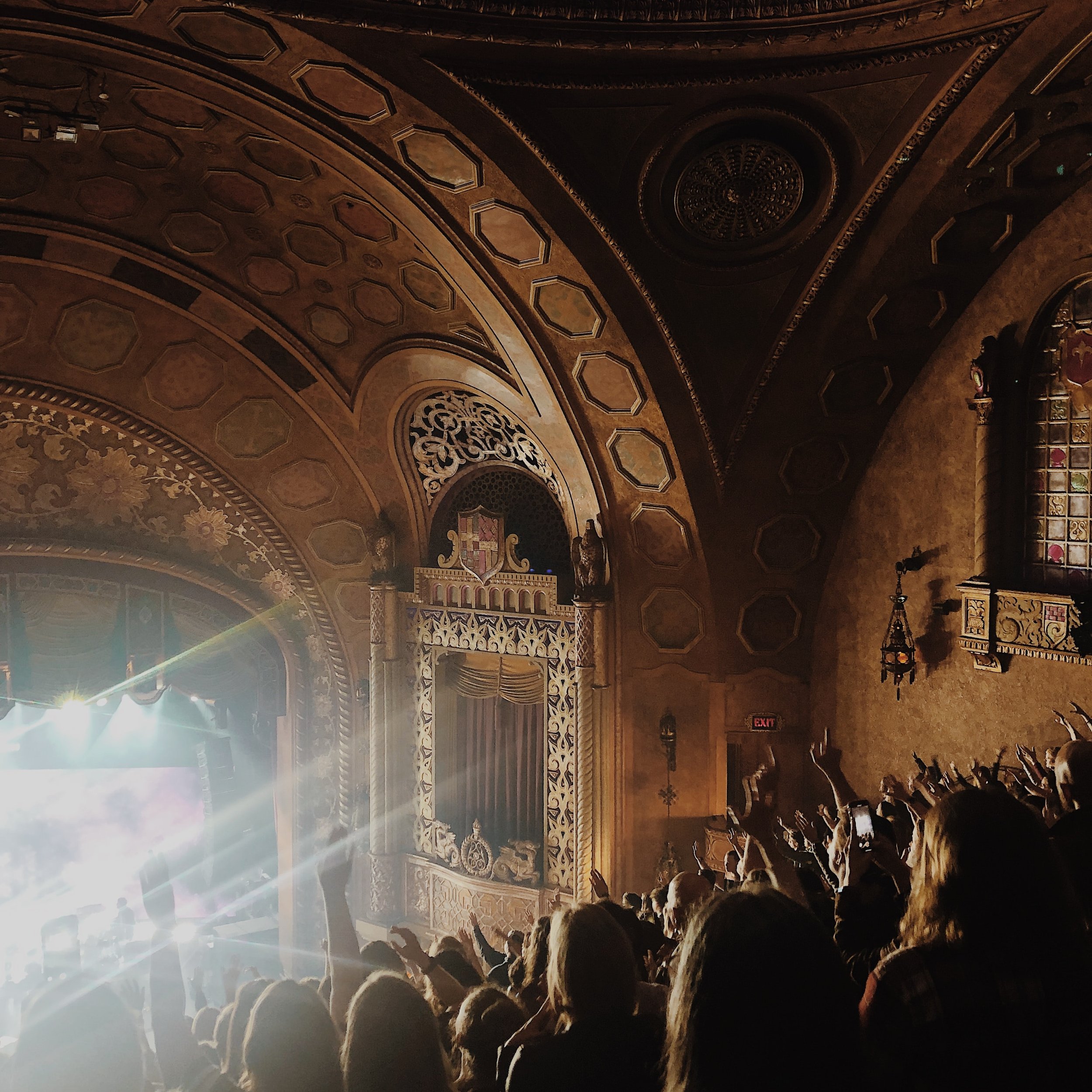
Crafting Memorable Experiences
The Power of Typography in Entertainment & Experience
Typography plays a significant role in the entertainment and live show industry. It is essential for creating visually engaging and appealing designs that capture the audience's attention and convey the event's theme or message. From concert posters to live shows, typography can set the tone and mood of the performance. Typography can also help with branding and show identity, as the consistent use of fonts across various media creates a unified and coherent look. Overall, typography is an important tool that helps the entertainment and live show industry leave a lasting impression on its audience before, during, and after representations.

From Draft to Completion
Any show begins with an idea that will be written down, rehearsed, and finally represented. Indeed, the show goes through several states, or several hands before being presented to the public.

The very first step is about communicating and promoting the story to attract future viewers. Graphic Designers and the Art Director work together efficiently to transcribe the story and the text based on key visual elements. Shows like Annie Jr, Funny Girl or The Wizard of Oz are perfect examples of this. If you look at the book The Wizard of Oz, as well as the photo above of the first performance on Broadway in 1939, you can tell the main elements of the script are being represented and have been ever since then - Dorothy's blue dress is used as a key element.
Re-inventing the Communication around Live Entertainment
In this performing arts industry, several mediums of communication remain iconic and are a means to keep the memory of the show alive. Some spectators also attach great importance to collecting tickets or posters for shows they attend. You can’t tell me you’ve never wasted some $35 on an official poster at the end of a concert or not kept a ticket as a reminder of the magical night you experienced!
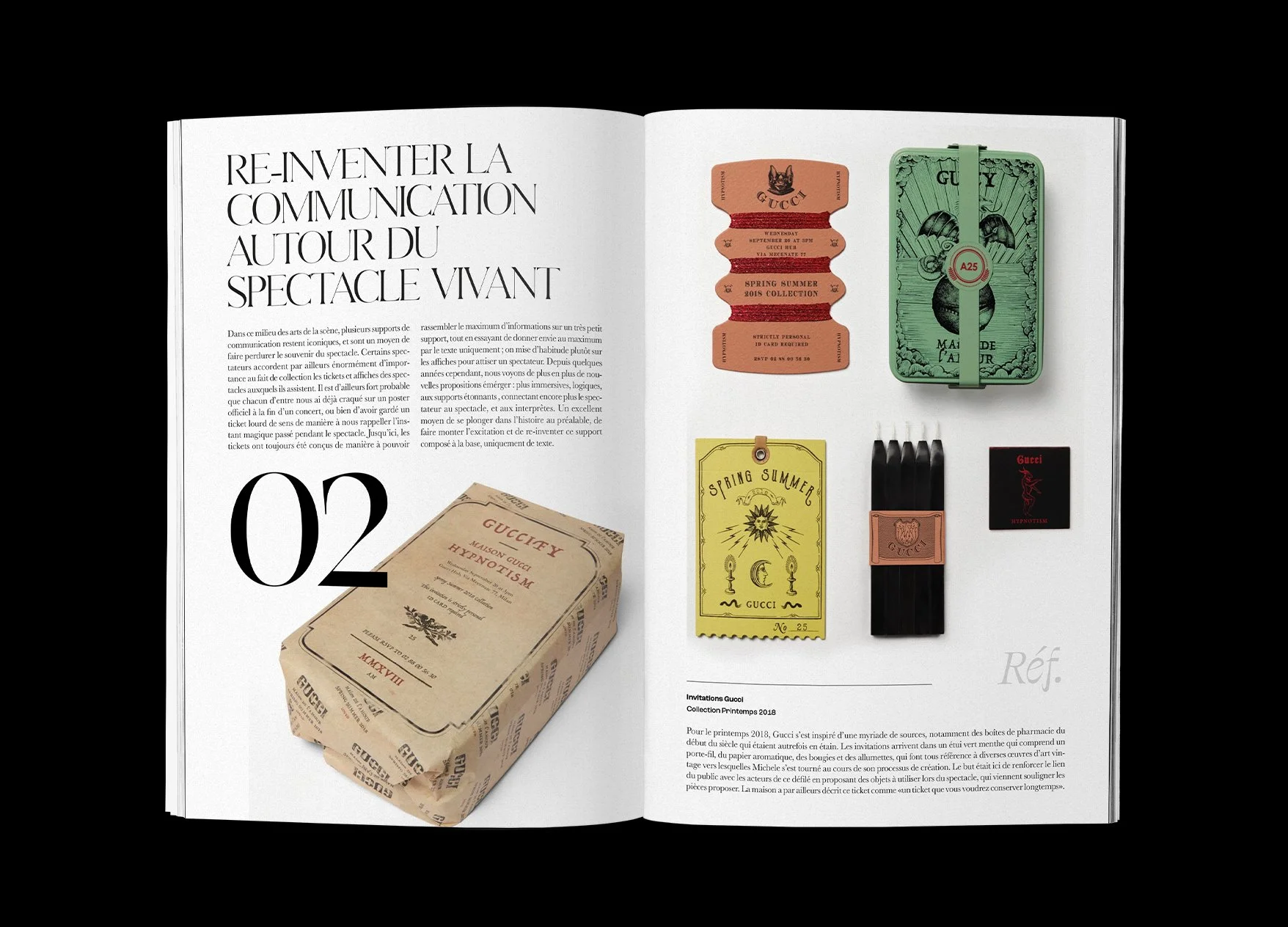
Until now, tickets have always been designed in such a way that they would hold as much information as possible within very small dimensions, while also trying to inspire as much as possible - using text only! That’s why we usually use posters or ads to inspire potential spectators. In the past 15 years however, we’ve seen more and more new innovative invitations emerge: more immersive, innovative, using different materials or objects, connecting the viewer even more to the show and its performers. It’s an excellent way to immerse spectators in the story beforehand, raise the excitement and re-invent this traditional medium.
The Graphic Language as a Tool to Service The Work
Prior to the show, the significance of the text truly emerges during rehearsals and the practice sessions. It's at that moment that comedians and actors immerse themselves into the material, following the instructions provided by the art director. Yet, there's a notable absence of visual aids in this field - hardly any are tools available to aid professionals in mastering these scripts, besides written notes, scripts that are marked up, highlighted, or just personalized to each’s needs.

A graphic language is then established and allows readers to combine a sign with an action.
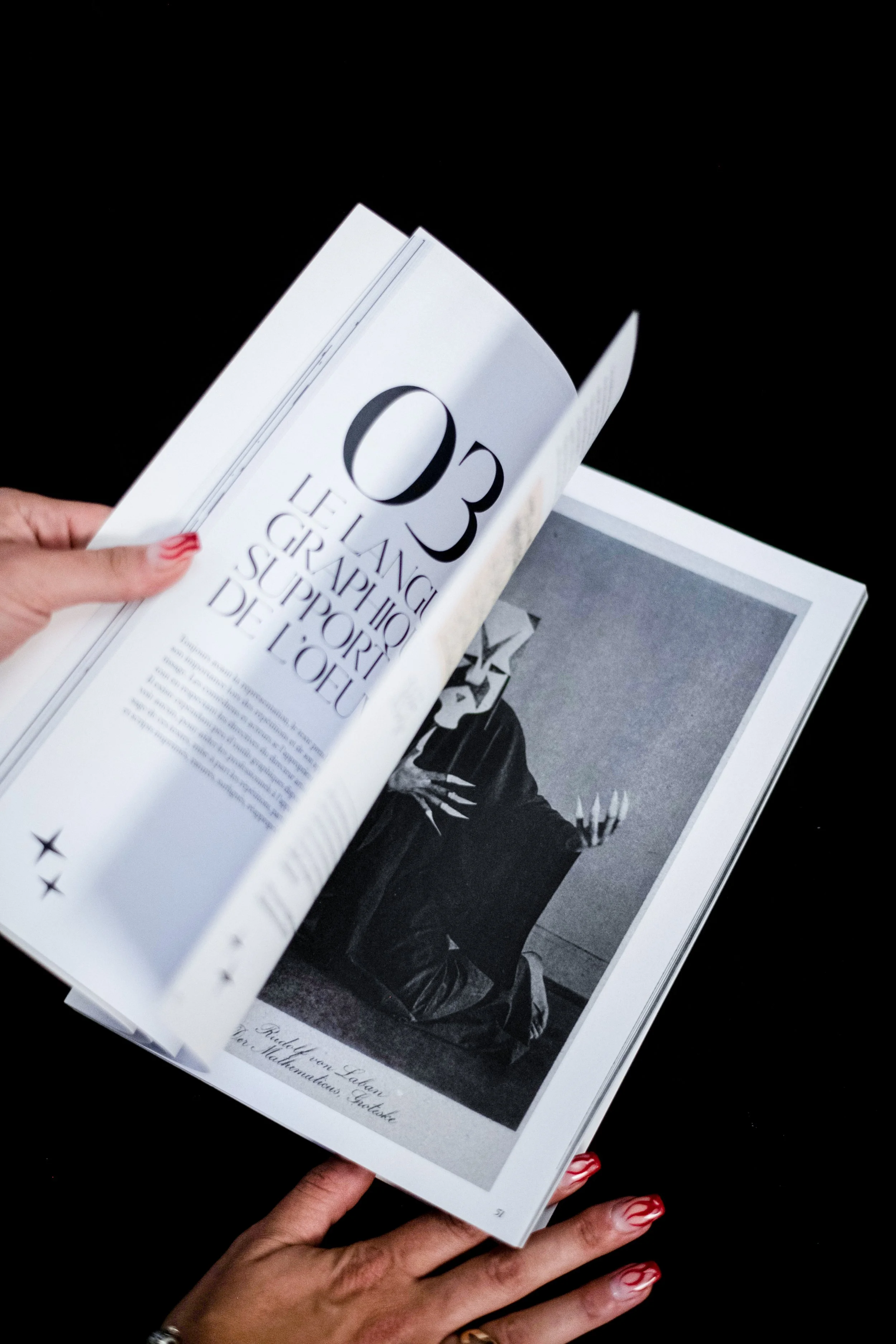

Art Directing takes on its full purpose during the performance. In the show industry, art directing is about having something to be seen and heard - It’s time.
Shh, the audience is here. Lights, curtain, music.
Graphically Transcribing the Text Through Light
In this part, we will look at the notion of highlighting the text - Light on stage is designed to reflect all layers of the script and bring out all of its nuances. Before being technical, light is "scenographic". Light is the most important actor, doing the same work on the character, text, and dramaturgy.
Conversely, various graphical notation systems have long existed for disciplines like dance, music, and stage movement.

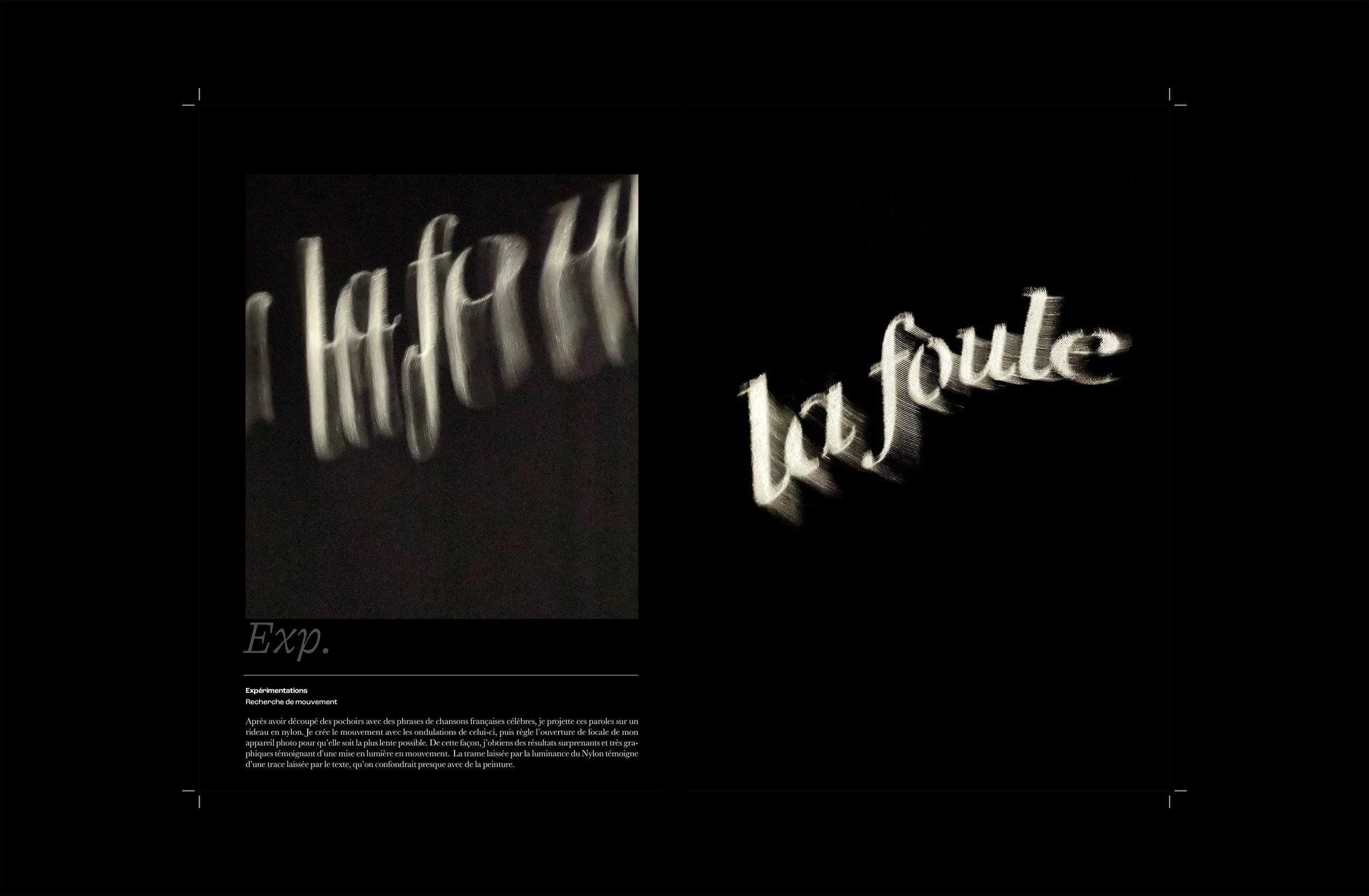

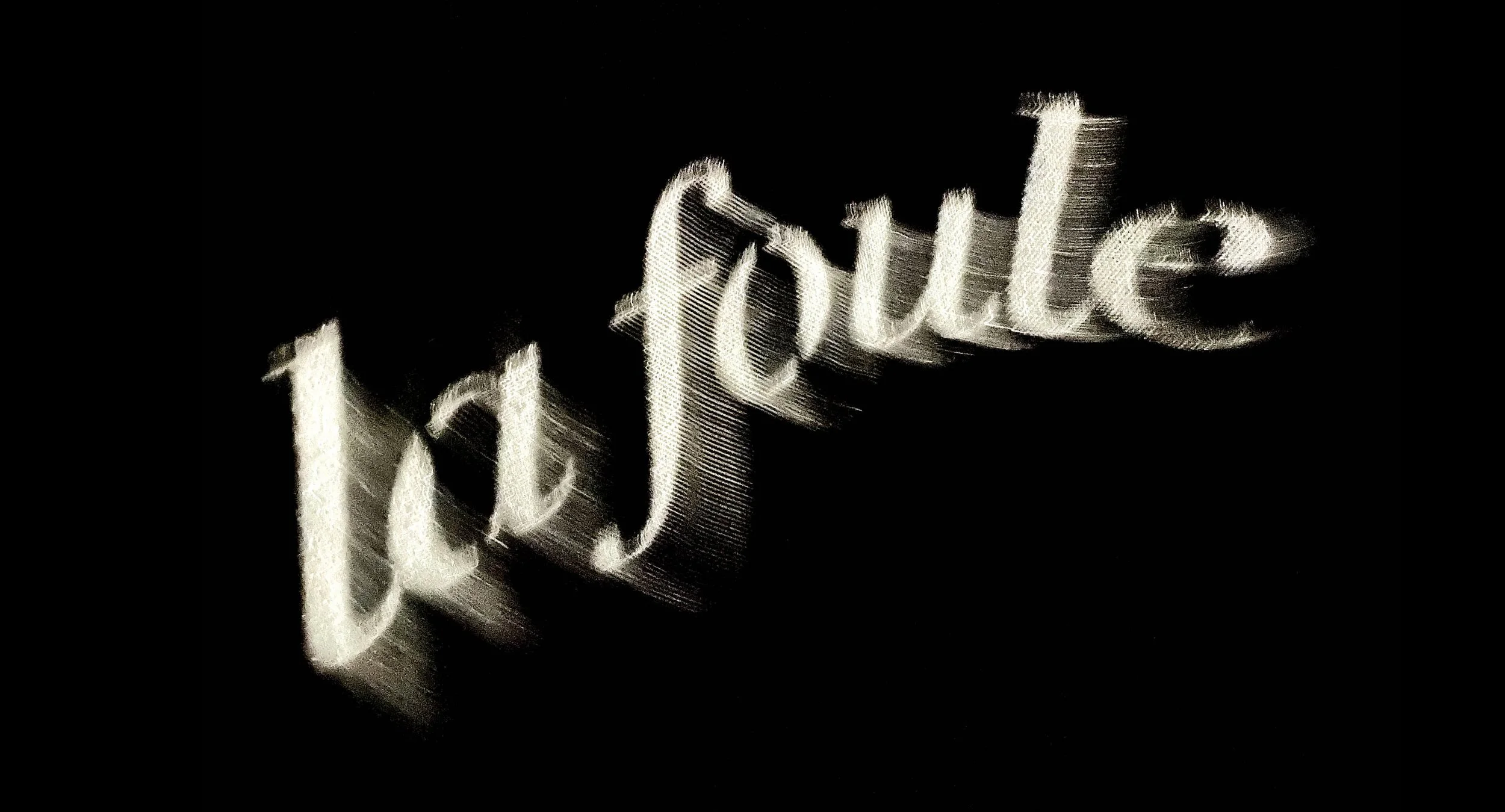
There are also the soundtracks, the sound effects and of course, the voice of the actors - many aspects to take into account when trying to add sound to a text. Let's narrow our analysis by focusing on one type of show in particular: Musical Theatre. These performances bring together all the disciplines of a live performance: mimes, puppets, circus, acrobatics, singing, dancing, theater...
Graphically Transcribing the Text Through Sound
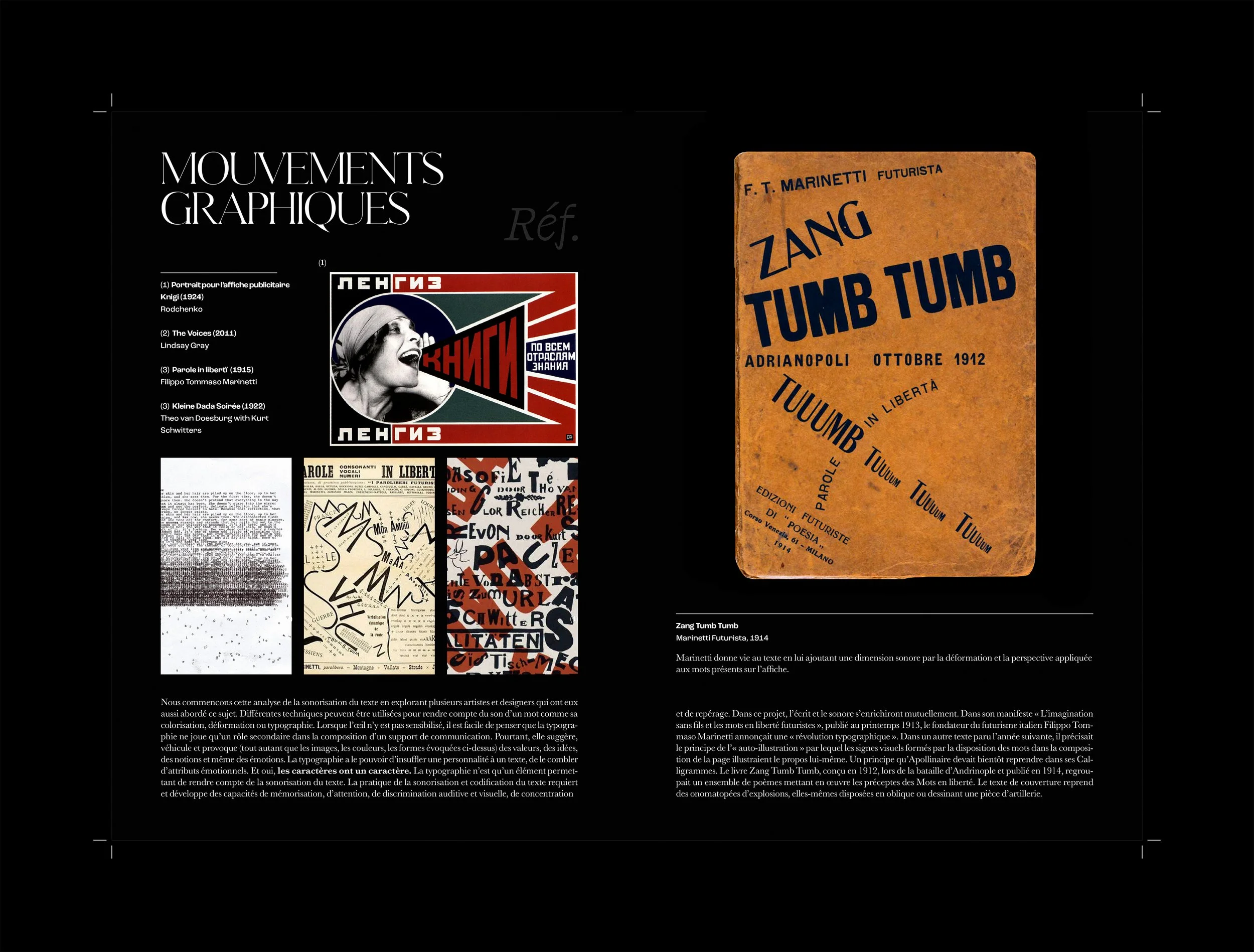
There are many approaches to sonorising text. Here, I’m interested in finding ways to express the sound of a word or a letter - The accurate combination of the two notions of light and sound will create an overall experience that can only become spectacular when they are perfectly coordinated.
During a show, several sound aspects must be taken into account. First, the show is punctuated by the applause and excitement of the spectators who accompany the start, the intermission, and the end of the experience.

The Show Must Go On
Last note. Applause. Music. Light.
The curtain call in the theater is a moment of truth. The performers step forward to the edge of the stage, as if approaching a border. They break away from the fiction, still imbued with its privilege. They reclaim their civilian identity while basking in the aura of their characters. The actors' final bow is an unforgettable moment of truth where art and life intertwine.


One question subsists:
How can I combine sound and light in order to create a unique and interesting object to take home, allowing users to constantly relive the spectacular experience that is a live show?
This case study focuses on finding new means to make the entertainment world continue living when the curtain goes down. Discover my graphic answer with the project “Chicago”.
- Coming soon -